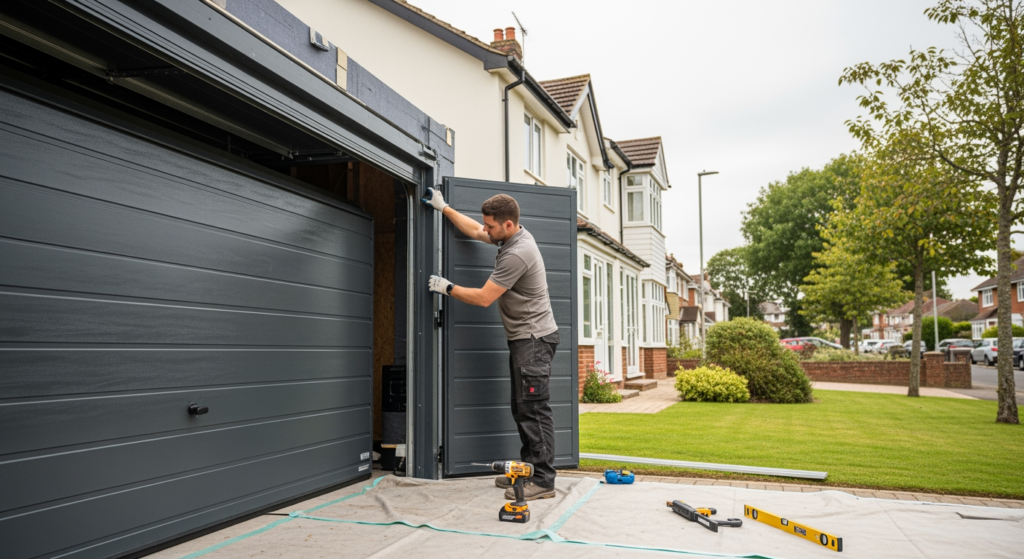
When you’re ready to upgrade or replace a garage door, the first thing most people search is garage door installation in Hastings, and that’s exactly where this guide starts. I’ve written this to walk you through local considerations, the latest trends, and practical steps so your project finishes on time and on budget. For context about the local community size and housing trends, the U.S. Census Bureau lists population and housing data that can help you plan for property-style choices in this area: U.S. Census Bureau.
Why a professional installation matters in Hastings
A garage door is more than curb appeal. It’s the biggest moving part of your home’s exterior, and in Hastings—where seasonal weather swings and older neighborhood homes are common—a proper installation affects safety, energy bills, and long-term maintenance costs. I’ve seen too many DIY installs that lead to uneven operation, premature wear, or doors that don’t seal against windy Nebraska days. Professional installation protects your investment and prevents everyday headaches like noisy operation, misaligned tracks, or broken springs that can be dangerous to handle without training.
Key factors to consider before you pick a door
Before you buy, take a moment to think about the following. Each choice affects how the door performs in the city’s climate, how much you’ll spend, and how long it lasts.
Material and durability
Common materials include steel, aluminum, wood, and fiberglass. Steel is the most popular for its low cost and strength; insulated steel panels are excellent for energy savings. Wood looks great on older homes downtown near the Hastings Museum but needs more upkeep. If you live near busy streets or in a colder neighborhood, favor durable, low-maintenance options.
Insulation and energy efficiency
Insulated doors help stabilize garage temperature, protect stored items, and reduce heat transfer into adjoining rooms. Look for a door with an R-value that fits your needs; higher R-values offer better insulation. Upgrading insulation can be especially helpful for homes with living space above the garage or attached garages common in local subdivisions.
Trending features homeowners are asking for
Two trends I’m seeing across the region are smart openers and energy-focused doors. Smart garage door openers let you monitor and control access from your phone—great for families, delivery tracking, or letting in contractors while you’re at work. Energy-efficient and insulated panel systems are another trend, driven by desire to cut utility bills and improve comfort.
What to expect during a typical installation
Understanding the process helps you plan your schedule and prepare your home. A professional team usually follows these stages:
- Initial measurement and site assessment to confirm dimensions, mounting conditions, and any structural needs.
- Preparation of the site, including removing the old door and checking tracks, framing, and opener clearance.
- Door and hardware installation, adjustment, and safety testing including balance checks and automatic-reverse settings.
- Final walkthrough to show you how to operate the door and care for it between service visits.
Preparing your home for installation
Simple prep speeds up the job and reduces surprises. Clear the driveway and garage interior so the crew can work with space. If you have pets, keep them secured. Note any electrical outlets or lights that might need moving for a new opener. If your garage is attached, consider protecting adjoining interior spaces to avoid dust getting into the house.
Costs, timelines, and financing
Installation timelines vary—from a single day for a like-for-like replacement to several days for custom doors or structural work. Pricing depends on door size, material, insulation level, hardware quality, and whether you need a new opener or frame repairs. While prices vary, a few common cost drivers are:
- Door material and design — premium finishes and wood styles cost more.
- Insulation and energy performance — higher R-values raise costs but lower bills over time.
- Labor for structural repairs — if framing needs reinforcement, expect additional costs.
- Smart opener and accessories — Wi-Fi enabled openers, keypad entry, or battery backups add to the price.
If cost is a concern, ask installers about financing plans, seasonal promotions, and trade-in or recycling credit for your old door. A clear written estimate that breaks out materials, labor, and permits helps you compare bids and avoid surprises.
Local considerations unique to Hastings
Hastings has a mix of historic homes near Downtown Hastings, family subdivisions, and properties near the museum and the college. That variety means installers must be ready to work with older door openings and modern builds. Winters can bring cold snaps and wind, so consider insulation and weather seals. Homes near US-6 and main roads can benefit from heavier-duty tracks and quieter openers if you’re sensitive to street noise when the door operates.
Permits and neighborhood rules
Many local jobs require a building permit or inspection, especially if the project changes the door’s size or affects structural framing. Check with the city building department before installation. In older historic districts there might be design guidelines for exterior changes—this is especially true for properties around downtown or near Hastings College—so pull those requirements early in your planning.
Common problems and when to call a pro
Some issues are DIY-friendly, and others require trained technicians. Here’s how I break it down:
- DIY fixes: lubricating rollers, tightening loose hardware, or programming a remote are tasks many homeowners manage safely.
- Call a pro: broken springs, major track damage, opener gear failure, or doors that won’t balance. Springs are under high tension and can be dangerous without proper tools and training.
- Preventive service: an annual tune-up catches small problems early and extends door life. Technicians check balance, safety sensors, and hardware wear.
Questions to ask any installer
When in doubt, ask these four questions to make sure you’re hiring the right team. Their answers will tell you about experience, accountability, and long-term support for your new door.
- Are you licensed and insured to work in Hastings and Adams County? Confirm general liability and worker coverage for protection during the job.
- Can I see references or recent local projects? Seeing local work helps you judge finish and reliability.
- What warranty covers parts and labor? Ask for the warranty in writing and understand what voids it.
- Do you handle permits and inspections if needed? A good installer will guide that process for you.
Small upgrades that add big value
Consider these enhancements when you replace your door. They don’t add a lot of time but can dramatically improve function and value.
Smart openers with app control and two-factor access provide peace of mind for busy households. Motion-sensor lighting and battery backup openers keep operations reliable during power outages. Better weather seals and insulated panels reduce drafts and can make garages more usable year-round. These upgrades are especially useful on homes where the garage connects to living space.
Maintaining your door for longevity
Routine maintenance prevents small issues from becoming emergencies. I recommend a basic seasonal checklist: clean tracks and rollers, lubricate moving parts with silicone-based lubricant, check and adjust the opener’s force and balance, and test safety sensors for correct operation. Keep a maintenance log so you can track service dates and parts replaced. Regular maintenance extends the door’s life and keeps operations smooth for years.
Local success stories and what homeowners appreciate
Neighbors often tell me they value quick response times, clean job sites, and installers who can match historic styles for older properties around downtown. When crews show up on time, protect the driveway and interior, and explain the work clearly, homeowners feel confident about the investment. In the end, it’s the combination of reliable operation, good looks, and sensible warranties that makes a new garage door feel like a smart home upgrade.
Making the final decision
Pick an installer who listens to your priorities—safety, energy savings, curb appeal—and who explains trade-offs in plain language. Get at least two written estimates, compare the scope and warranties, and request a timeline that fits your schedule. If your home has historic character, ask about custom panel designs that preserve the look while giving you modern reliability. Take your time with material and color choices: the right door improves resale value and enjoyment for years to come.
Ready to take the next step? Start by measuring your opening, gathering a few photos of your current door and framing, and writing down any access or timing constraints for installers. With that information, a local team can give you an accurate on-site estimate and timeline.
I hope this guide makes the process clearer and less stressful. For tailored help, local installation options, and a free estimate for garage door installation in Hastings, consider contacting the local specialists listed on the service site below; they can assess your home near downtown, the museum area, or any neighborhood in the city and recommend the best solution for durability, safety, and energy efficiency.
If you’re ready for a professional, reliable service in Hastings, reach out to AA Garage Door to schedule an estimate and get personalized recommendations for your home.