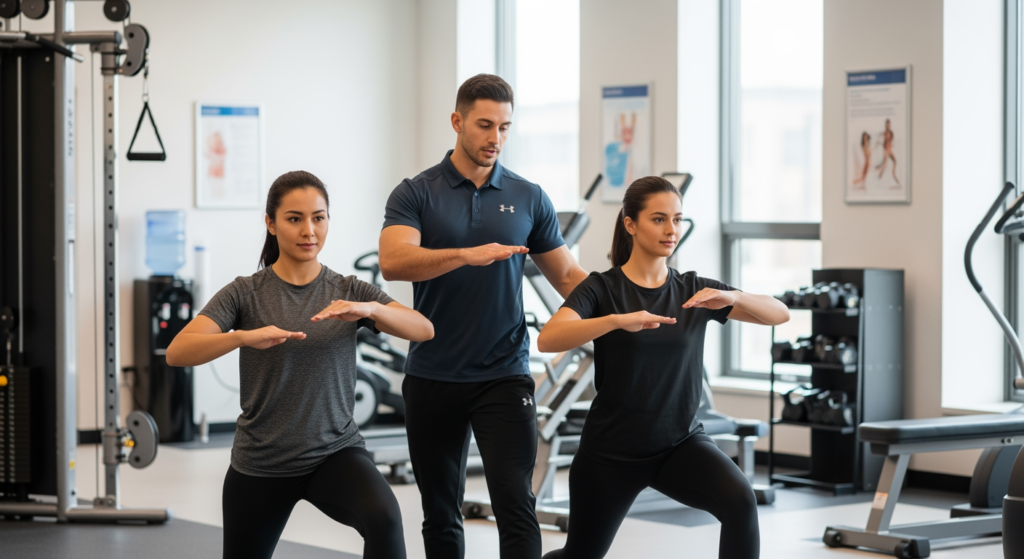
When you search for a Fitness Trainer, you want someone who understands your life in Islington — the early-morning routes along Upper Street, the busy markets near Angel, and the neighbourhoods that shape your schedule. I’ve trained clients across Canonbury, Highbury, and the surrounding parts of London, helping them move past plateaus and feel stronger in daily life. For clear, practical health guidance, I also recommend checking basics from reputable public health guidance such as the NHS homepage for advice on exercise safety and health checks before starting new routines.
Why a local fitness trainer matters more than you might think
Choosing someone from the area isn’t just about convenience. A local trainer knows the best parks for outdoor sessions, understands how to tailor workouts around the city’s pace, and can adapt plans to fit your commute or childcare schedule. Working with someone nearby reduces the friction of getting to sessions, which makes consistency far more likely — and consistency is the single biggest factor for results.
Local trainers also bring knowledge of community resources, whether that’s which studios offer recovery classes nearby, small group options around the Angel, or safe running loops by the canal. When your trainer understands the city and your life in it, they can design plans that actually get done.
What a good personal training program includes
A strong program starts with an honest assessment and ends with measurable progress. I design sessions that blend strength, movement quality, conditioning, and mobility so you build resilience as well as performance. Here’s what to expect when you sign up for personal training in this area:
- Initial movement screening and realistic goal setting so we both know what success looks like.
- Progressive strength and conditioning sessions that match your current fitness and increase safely over time.
- Simple nutrition and recovery strategies that fit your lifestyle without drastic diets.
- Ongoing coaching, feedback, and adjustments so the plan stays relevant as life changes.
Training styles and trends shaping fitness in 2026
The fitness world keeps evolving, and some trends are especially useful for busy Londoners. Two notable trends I use regularly are hybrid training and tech-enabled tracking. Hybrid training blends in-person sessions with remote coaching, giving you structure for the week while keeping costs manageable. Tech-enabled tracking — think simple wearables and apps that log sleep, steps, and recovery — helps us make smarter tweaks to training load and timing.
High-Intensity Interval Training (HIIT) remains popular because it delivers measurable results in short time blocks, but there’s growing appreciation for strength-focused work and recovery practices such as guided mobility and foam rolling. Combining these trends in a personalised plan gives you the best of both worlds: efficient sessions that build lasting strength while protecting joints and energy levels.
How I build plans that actually stick
Long-term results come from steady, manageable changes. My approach is rooted in behaviour change as much as in exercise science. I break goals into small wins, make workouts enjoyable, and remove barriers that stop people from showing up. Below are the practical steps I start with when a client wants to get fitter without burning out.
- Start with one clear, time-bound goal so progress tracking is simple and motivating.
- Create a weekly routine that fits your real life instead of an idealised version of it.
- Prescribe movements that translate into better daily function, such as squatting, hinging, pushing and pulling.
- Build accountability through scheduled sessions and short weekly check-ins.
Nutrition and recovery made simple
Nutrition doesn’t need to be complicated to be effective. Rather than extreme diets, I coach clients on practical habits: regular protein at meals, sensible portioning, and prioritising whole foods. For many people, simple changes like adding a high-protein breakfast, swapping one snack for a fruit or nut option, and being mindful about evening meals can quickly improve energy and body composition.
Recovery is also a cornerstone of progress. Tracking sleep quality and stress lets us adjust training load; if wearables show poor sleep or elevated resting heart rate, we change the session intensity for that week. These small adjustments reduce injury risk and keep motivation high so clients feel stronger week-to-week instead of wiped out.
Common pain points and how training solves them
People come to a trainer for all kinds of reasons: weight loss, gaining strength, improving posture, or simply feeling less tired during the day. I focus on actionable fixes for common issues so clients see direct benefits quickly. For example, upper-back and neck tension responds well to a programme that includes thoracic mobility and upper-back strengthening, while recurring knee pain is often improved by a mix of hip strengthening and movement re-education.
One reason clients succeed is we prioritize small, consistent wins. When a busy parent in the area can fit two 30-minute targeted sessions into their week and see improvements in energy and strength within six weeks, that reinforces the behaviour and builds long-term habits.
How to pick the right trainer for you
Choosing a trainer is about fit as much as credentials. Here are practical criteria to help you evaluate professionals in Islington and nearby neighbourhoods:
- Look for a trainer who asks about your history and listens to your goals rather than pushing the same programme on everyone.
- Choose someone with a clear plan for progression and measurable checkpoints.
- Find a coach who offers session formats you can commit to, whether that’s one-to-one sessions, small groups, or hybrid coaching with remote check-ins.
Trust your instincts during a trial session. The right trainer will make you feel capable and motivated, not overwhelmed or judged. Local trainers who work with diverse clients in the area tend to be better at adjusting programmes to suit differing needs and schedules.
Affordable session formats and what they mean for progress
Personal training in the city comes in several formats, each with pros and cons. One-to-one training offers the fastest path for personalised coaching and quick adjustments. Small group sessions are cost-effective and add a motivating social element. Hybrid packages combine occasional in-person assessments with remote workouts, which can be the best value for long-term consistency.
When comparing prices, focus on value rather than hourly cost alone. A slightly more expensive trainer who provides strong program design, specific progress measures, and habit coaching will often deliver better long-term results than a cheaper option with a one-size-fits-all approach.
A simple four-week starter plan you can try this week
Here’s a practical mini-plan for someone new to structured training. It balances strength, movement, and conditioning while being manageable for a busy schedule in the city. Start by committing to three sessions per week: two strength-focused and one short conditioning or mobility session.
- Week 1: Two full-body strength sessions with basic compound movements and one 20-minute brisk walk or easy HIIT session. Focus on form and consistency.
- Week 2: Increase load slightly on strength days if movement quality is maintained. Add 5–10 minutes of dedicated mobility work after sessions.
- Week 3: Introduce a short interval block in the conditioning session to improve fitness while keeping total time low. Track sleep and energy levels.
- Week 4: Test progress with a simple set of measures (bodyweight squat, timed plank, a 1km brisk walk) and reflect on how you feel. Adjust targets for the next month.
Realistic expectations and how progress looks over time
Results are rarely linear. Expect faster changes in energy and mood within weeks, and measurable strength or body composition changes in 6–12 weeks with consistent effort. Small weekly improvements compound into significant changes over months. The most sustainable transformations come from consistent training, better sleep, and small nutrition wins that fit your routine.
For many of my clients, the biggest wins aren’t just the numbers on a scale. They report better posture when sitting at work, fewer aches on the commute, and more energy to play with their kids or take on weekend activities. Those are the outcomes that last.
If you’re concerned about safety or have health conditions, starting with a health check and clear guidance is important. Public health advice recommends talking to a doctor before beginning vigorous training if you have existing medical issues, and that’s a sensible first step for anyone returning to exercise after a long break.
Training in Islington should fit into your life, not take it over. When sessions are realistic, enjoyable, and goal-oriented, they become part of your routine instead of a chore.
Ready to take the next step in the city? Book a trial session and see how intentional, local coaching helps you build strength, confidence, and better daily energy. KB Personal Training can show you a plan that fits your life in Islington and helps you make steady, lasting progress.