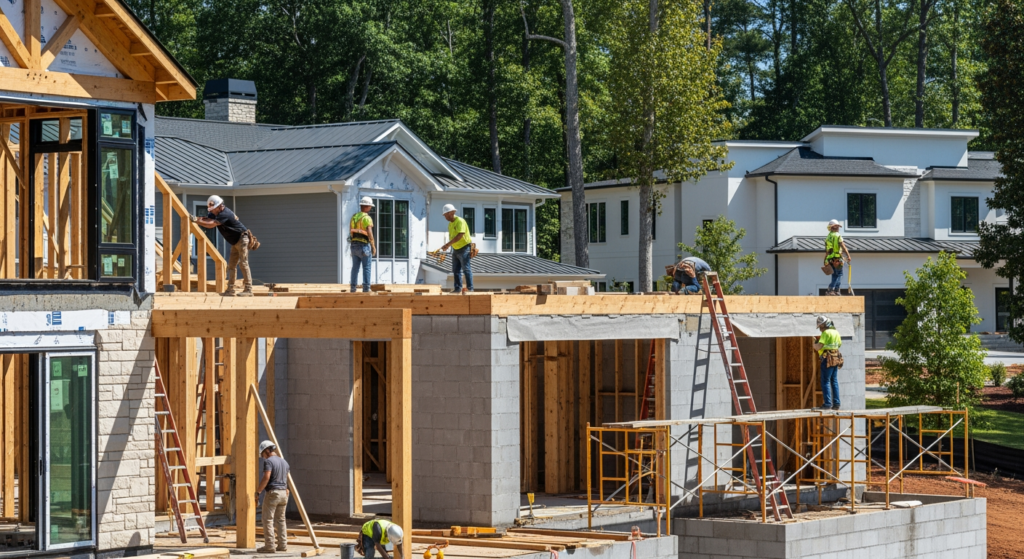
I know how exciting and overwhelming it can feel to imagine a home built just for you. If you’re researching a custom home builder Athens GA, you’re in the right place. As more people move into this area and look to put down roots, local housing trends are changing—according to the U.S. Census, population and housing data show steady demand in the region, which affects timelines, budgets, and materials availability (U.S. Census).
Why choosing the right builder matters in Athens
Choosing the right builder shapes everything from your final cost to how stress-free the process feels. In this city and its neighborhoods like Downtown, Normaltown, and Five Points, lot availability and zoning can vary block by block. A local custom home builder knows the permitting cadence, where contractors tend to be busiest, and which trades deliver consistent quality here. From my experience, the best builders blend technical skill with honest communication so you always know what’s next.
Top trends shaping new custom homes in the area
Builders here are adapting to a few clear trends. First, green building and energy efficiency are moving from niche to mainstream. Buyers expect better insulation, efficient HVAC, and water-saving fixtures. Second, smart-home integration is now standard for many new builds—pre-wiring, home automation platforms, and future-ready electrical plans are priorities. Finally, material supply fluctuations continue to influence schedules, so realistic timelines are essential.
Sustainability and energy efficiency
Sustainable choices lower long-term costs and improve comfort. Think high-performance windows, ENERGY STAR appliances, and LED lighting. A builder familiar with local climate considerations—heat and humidity here—can recommend moisture-resistant drywall and ventilation strategies that reduce mold risk and energy use.
Smart home tech
I encourage homeowners to plan for smart systems early. Running conduit, designing a central hub space, and setting aside budget for smart locks, thermostats, and security makes upgrades simpler later. Early planning also avoids patchwork wiring that can be costly to fix after walls go up.
How to vet custom home builders in Athens
Finding the right fit takes more than reading a portfolio. Use a mix of practical checks and gut-feel questions. Below are the most effective steps I’ve used when advising homeowners.
- Check licensing and insurance: Verify the builder is licensed for local work and carries appropriate liability and workers’ compensation insurance.
- Ask for recent local references: Visit recent projects in the city or nearby neighborhoods to see workmanship and talk to owners about timelines and responsiveness.
- Review contract clarity: A strong contract covers scope, allowances, change orders, payment schedules, and a clear warranty policy.
- Confirm trade relationships: Builders with stable subcontractors tend to provide more predictable schedules and consistent quality.
Questions to ask at your first meeting with a builder
Come prepared. The right questions reveal how a builder organizes projects, controls costs, and communicates. I recommend asking about recent project timelines, how change orders are handled, and whether the builder provides a single point of contact. Also ask about energy-efficiency strategies, material sourcing, and how the company handles unexpected delays.
Cost transparency and budget management
Budgets are the area where misunderstandings cause the most stress. A trustworthy builder will use allowances where final selections aren’t made yet, and will explain how those allowances work. Ask for a line-item budget that shows ceilings, flooring, cabinetry, fixtures, and site work. That detail makes it easier to reallocate funds without surprises.
Permits, inspections, and local approvals
Permitting can slow or speed a project depending on timing and thoroughness. In Athens-Clarke County, different permit types cover building, electrical, plumbing, and site work. A local builder will know inspection intervals and how to schedule them to avoid bottlenecks. If your lot is in a neighborhood with a homeowner association or historic overlay, the approval process can add time, so it’s better to discuss those constraints up front.
Design and planning tips to save time and money
Good planning reduces costly changes mid-build. I recommend locking major design decisions—like footprint, roof style, and window counts—before foundation work begins. Finalize fixture levels and cabinetry styles before framing is complete so trades can work uninterrupted. Below are a few practical steps you can take during planning.
- Prioritize must-haves versus nice-to-haves to protect your budget.
- Choose finishes in groups to keep decisions manageable and avoid repeated change orders.
- Schedule a pre-construction meeting that includes your architect, builder, and lead subcontractors.
- Factor in a 10 to 20 percent contingency for unexpected site conditions or material price shifts.
Common pain points and how a builder can solve them
Every new-home project has friction points—from weather delays to inspection fails. The best builders anticipate these and communicate mitigation plans. For moisture-prone months in this climate, expect strategies like elevated foundations, improved site drainage, and sealed crawlspaces. For supply-chain issues, a proactive builder will suggest alternative finishes that maintain aesthetic goals while keeping the schedule intact.
Timeline expectations
Realistic schedules are built from experience. A simple ranch on a cleared lot might be faster than a multi-level custom home on a hillside with retaining walls. Ask your builder for a phased timeline and a list of milestones so you always know where the project stands. Most builders will also specify weather contingencies and permit-dependent phases.
Quality control and warranties
Quality control is about consistent checks, punch lists, and follow-up. Ask how often site supervisors review progress and how they document corrections. A clear warranty process—covering systems like plumbing, electrical, and structural—protects you after closing. Confirm who handles warranty calls and the expected response timeframe.
How to work well with your builder day to day
Good relationships reduce friction. I suggest weekly check-ins and a shared project calendar, either a physical board on site or a cloud-based folder with drawings, selections, and inspections. Keep communications direct and document agreed changes in writing. When you need changes, request cost and schedule impacts in writing before approving work.
Financing options and cost-saving strategies
Custom homes can be financed through construction loans that convert to mortgages, or through private financing if you prefer. Discuss lending options early so the builder can align payment schedules with draws. Cost-saving strategies include consolidating selections, choosing long-term value finishes over trend-driven expensive items, and prioritizing energy-efficiency investments that reduce operating costs.
Local factors that affect build costs in Athens GA
Land topography, soil conditions, and proximity to city services influence cost. Building in a central neighborhood where lots are tight may require more site work and specialized crews, while outskirts lots might need extended utility runs. A local builder will price these realities accurately during pre-construction and explain trade-offs for each lot and neighborhood.
Working with local crews and suppliers
Builders with deep local relationships can often secure better timelines and pricing. They also understand which suppliers deliver consistently in good condition. When you tour recent builds, ask which subcontractors performed the work and whether the owner felt trades were punctual and tidy.
Red flags to watch for when hiring a custom home builder
Some warning signs are immediate: no license or insurance, vague contracts, unwillingness to provide local references, or a portfolio with inconsistent quality. Other red flags include extremely low bids that seem too good to be true and poor communication during the proposal phase. Trust your instincts—if something feels off during vetting, it rarely improves once construction starts.
Final checklist before signing the contract
Before you sign, make sure these items are clear and documented. Confirm the scope of work and allowances, payment schedule and draws, expected timeline with key milestones, insurance and bonding information, warranty terms, and how change orders will be handled. Having a checklist helps you compare proposals side-by-side and choose the builder who best fits your priorities.
How a trusted local builder supports you after move-in
After keys are handed over, the best builders follow up with a move-in walkthrough, a documented punch list, and a clear warranty process. They should be responsive to service calls and provide guidance on seasonal maintenance tied to this climate. Expect a final walkthrough that confirms systems are operating and that finishes meet the agreed standard.
Bringing it together
Building a custom home in Athens GA is a big undertaking, but with the right local partner it becomes an organized, even enjoyable, journey. Focus on clear communication, realistic budgets and timelines, and choose a builder who understands local permitting, trade networks, and climate-driven building best practices. Plan for trends like sustainability and smart tech early, and keep a contingency to handle the unexpected.
If you’re ready to take the next step, I recommend setting up three interviews with local builders, visiting recent projects, and asking for line-item budgets so you can compare apples to apples. A thoughtful process now saves time, money, and stress later—and it helps ensure your new home fits your lifestyle for years to come.
When you’re prepared to move forward in Athens GA, contact Tiptons Fine Tuned Carpentry to discuss your vision and schedule a consultation. They can walk you through the local process and help you plan a realistic timeline for building the home you’ve been imagining.