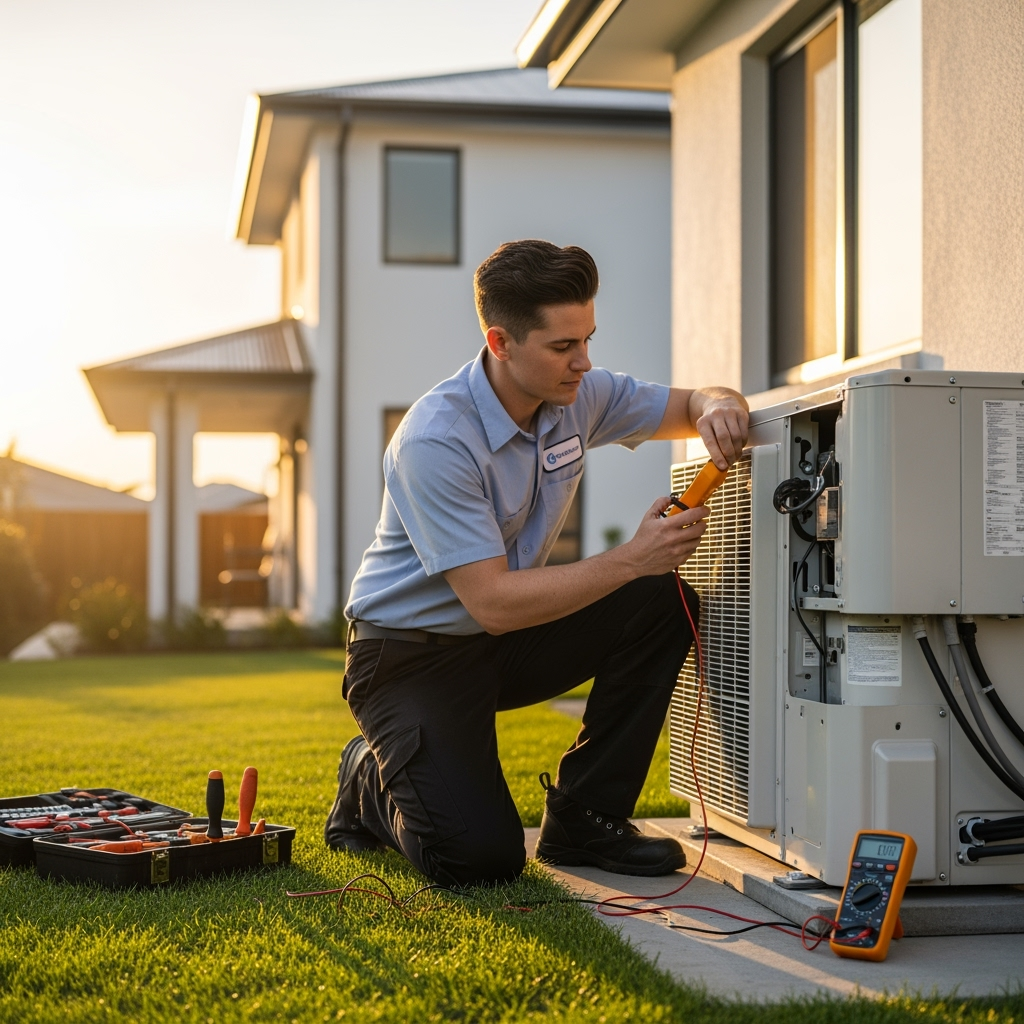
When my home suddenly got hot and stuffy in the middle of a July afternoon, I typed air conditioning repair near me into the search bar and felt overwhelmed by the results. If you’re reading this, you’ve probably been there — wondering who to call, how much it will cost, and whether the problem can wait. For accurate guidance on saving energy and keeping your system healthy, the U.S. Department of Energy explains common HVAC basics and energy-saving tips that I check regularly to avoid surprises.
Why local, experienced AC help matters
AC systems are mechanical, electrical, and often customized to a house’s layout. Calling a local HVAC contractor who knows neighborhood home styles, common wiring setups, and the most efficient replacement options saves time and money. I’ve learned the hard way that a quick fix from a stranger can turn into a bigger bill when the technician overlooks the real root cause. A trusted local tech finds the true issue — whether it’s a failing compressor, clogged condensate drain, or thermostat miscalibration — and recommends the most cost-effective next step.
Common reasons people search for air conditioning repair near me
Most calls I get (and I’ve helped friends through this) fall into a handful of categories. Knowing these can help you describe the problem clearly and get faster, more accurate service.
- AC won’t turn on or cycles on/off rapidly — potential electrical issue, thermostat, or capacitor problem.
- Warm air or poor cooling — low refrigerant, failing compressor, or dirty coils.
- Strange noises like banging, hissing, or grinding — often loose parts, a failing motor, or refrigerant leaks.
- Water around the indoor unit — clogged condensate drain or frozen evaporator coil.
How to choose the right local HVAC contractor
When the temperature is rising, it’s tempting to click the first listing. Instead, I follow a simple vetting checklist to separate fast helpers from true pros. This takes a few extra minutes up front and usually saves hours and money later.
Questions to ask before you book
Ask these on the phone: Do you have HVAC licenses and insurance? Can you provide references or reviews from local customers? Do you offer emergency or same-day service? What is your diagnostic fee and is it waived if I book the repair? Honest answers will indicate transparency and professionalism.
What good local technicians will do
A quality HVAC contractor will perform a clear diagnosis, explain all options including short-term fixes and long-term solutions, and share expected costs. They’ll also check basic preventive items: filter condition, access to the outdoor unit, condensate lines, and thermostat settings. Ask whether they honor manufacturer warranties and provide a written estimate before starting work.
Quick troubleshooting you can try safely
There are a few checks I always do before calling a technician — nothing that requires tools or opening components. These steps can often restore cooling or at least narrow down the problem so the technician arrives prepared.
- Check the thermostat: is it set to cool and the temperature lower than indoor temp? Replace batteries if needed.
- Inspect filters: a very dirty filter will restrict airflow and reduce cooling dramatically.
- Look at the outdoor unit: is it blocked by plants or debris? Clear at least two feet of space around it.
- Check circuit breakers: an overloaded breaker can shut off the AC even if the rest of the house has power.
What to expect during a professional AC repair visit
A trustworthy service call usually follows this sequence: arrival and safety steps, thorough inspection and diagnosis, clear explanation of findings, written estimate, and completion of agreed repairs. I always ask the technician to walk me through what they found and why they recommend a particular repair or replacement so I can make an informed decision.
Typical repairs and their causes
Here are common repairs and a plain-language explanation of why they matter:
- Capacitor replacement — helps start fan or compressor motors; a failing capacitor causes difficult starts and humming noises.
- Compressor repair or replacement — the heart of the outdoor unit; when it fails, the system can no longer circulate refrigerant effectively.
- Refrigerant recharge and leak repair — low refrigerant usually means a leak; adding refrigerant without fixing the leak is a temporary fix.
- Thermostat replacement or recalibration — misreading temps leads to short cycles or no cooling at all.
Costs, warranties, and when replacement makes sense
Costs vary by repair type, equipment age, and accessibility. I always compare the repair estimate against the remaining life and efficiency of the current system. If the AC is more than 10–12 years old and requires a major repair like a compressor or evaporator coil, replacement with a newer, more efficient system is often the smarter long-term investment.
How to decide repair vs. replace
Consider these factors: the repair cost, the unit’s age, energy efficiency ratings, and recent history of repairs. If you’re paying close to half the value of a new system for a single repair on an old unit, replacement is usually the best decision. New systems run more efficiently, lower monthly bills, and come with newer warranties.
Energy and technology trends to watch
Two trends are reshaping local HVAC decisions right now. First, smart thermostats and connected HVAC controls make systems more efficient and let you manage comfort remotely; they’re a low-cost upgrade that can drop energy use. Second, heat pump technology is growing fast because modern heat pumps provide efficient cooling and heating in many climates — a single system for year-round comfort.
Manufacturers and regulators are also shifting refrigerants to lower-global-warming potential blends; that can affect repair options and future costs for older systems that use phased-out refrigerants. When I discuss options with a contractor, I always ask about refrigerant type and whether repairs will use compatible, long-term solutions.
Seasonal maintenance that prevents emergency calls
Routine maintenance is the single best way to avoid sudden breakdowns. I schedule professional tune-ups in spring for cooling season and in fall for heating season. A professional inspection can find small issues before they become expensive failures.
Seasonal checklist I follow
Preventive care is straightforward and pays off over time. My basic checklist covers what pros typically perform during a tune-up:
- Clean or change filters and check airflow
- Inspect and clean outdoor coils and fins
- Check refrigerant pressures and look for leaks
- Lubricate moving parts and test electrical connections
Emergency AC repair — what to do when it’s urgent
If your system stops working in extreme heat, quick action matters. Call a service that offers emergency response and explain the situation clearly: is the house hot, are vulnerable people involved, and has the unit shown warning signs before stopping? While you wait, move heat-sensitive items to cooler spaces, close blinds to reduce solar gain, and use portable fans to circulate air.
How local codes, rebates, and incentives can help
Many local utilities and governments offer rebates for high-efficiency equipment or heat pumps, and there are sometimes tax incentives for energy-saving upgrades. When I’ve upgraded systems, contractors helped by identifying eligible rebates and paperwork. Ask your technician or contractor for guidance when considering a replacement — it can reduce upfront costs significantly.
Real-life stories and common pain points
I’ve heard the same frustrations from neighbors: surprise bills from poorly explained repairs, rushed quotes without written estimates, and repeat failures after quick fixes. The best contractors solve the initial problem and explain preventive steps to avoid repeat calls. When I talk to customers they appreciate a technician who leaves them with a clear, written diagnosis, photos (when helpful), and a step-by-step plan if further work is recommended.
How a good contractor communicates
Good communication means clear arrival windows, photo documentation of issues, a written estimate, and a plain-language explanation of options. If a contractor does that, they’re likely organized, accountable, and interested in long-term customer satisfaction — not just a one-time fee.
Local neighborhoods and access tips
If you live in older neighborhoods with tight alleys or townhomes close to the street, mention access challenges when you call. Tell the scheduler if the outdoor unit is hard to reach, or if stairs and tight entries will require additional time. I always include parking tips and gate codes for appointments when I can — it helps the techs arrive on time and complete work faster.
Final checklist before you book a repair
Before you confirm a service call, I recommend this short checklist to avoid surprises:
- Confirm the diagnostic fee and whether it’s applied to the repair cost.
- Get a written estimate and ask about warranties for parts and labor.
- Ask if the tech will carry common replacement parts for your unit.
- Check availability for same-day or emergency service if needed.
If you want a steady, reliable solution and local expertise you can count on, I recommend contacting a reputable local team. For dependable service in the area, reach out to HHMEC — they can evaluate your system, explain your options, and help get your home comfortable again.